Quick answer
Sort herbs into tender and sturdy types, remove damaged leaves, keep delicate herbs lightly protected from drying, and store sturdier herbs with a slightly damp towel in a breathable container. Check them every few days and use the most fragile herbs first.
Fresh herbs wilt for different reasons: some lose moisture quickly, while others turn slimy when held too wet. A small amount of preparation helps you keep flavor longer and waste less after a grocery trip or garden harvest.
Step-by-step
Sort herbs by their structure
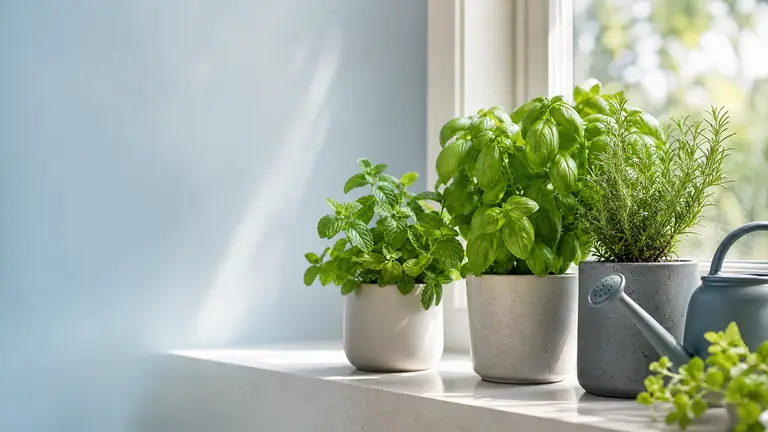
Tender herbs such as basil, cilantro, parsley, and mint need a gentler setup than woody herbs such as rosemary, thyme, and sage. Do not assume one storage method fits every bunch.
Remove damaged leaves and bands
Take off rubber bands and discard crushed, slimy, or badly yellowed leaves. Leaving damaged material in the bundle speeds deterioration around healthy leaves.
Keep woody herbs lightly humid
Wrap rosemary, thyme, or sage loosely in a barely damp paper towel and place them in a partially open reusable bag or container. The goal is light humidity, not a wet bundle.
Protect tender herbs from drying and crushing
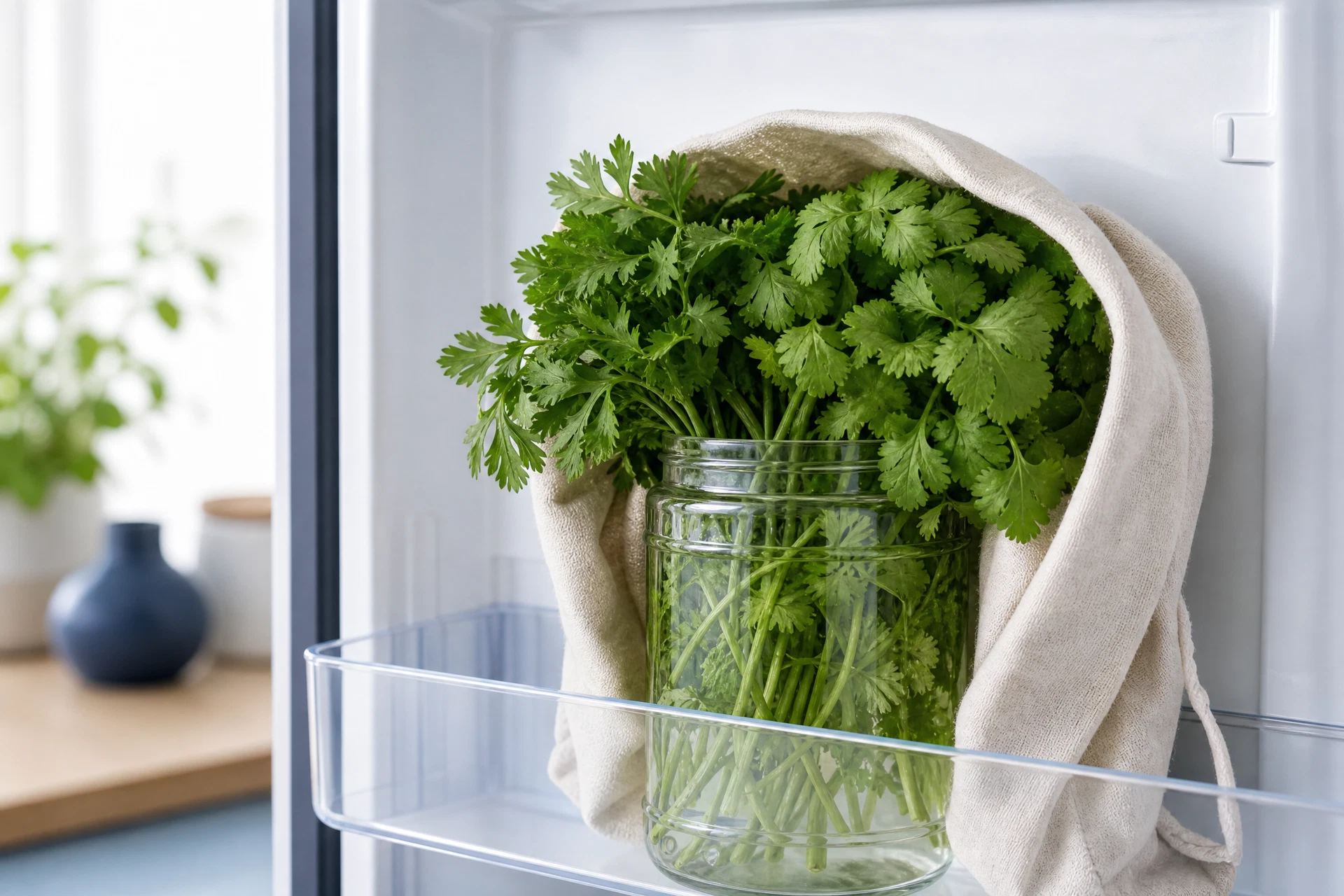
For tender herbs, use a method suitable for the herb and your refrigerator space: a loose towel-lined container or a small jar setup can work when the leaves are not crowded or soaking.
Store in a stable refrigerator area
Keep herbs away from the coldest back wall and from heavy items that can crush them. Avoid sealing them in a wet, airtight bag unless the method specifically calls for it.
Check, refresh, and use in order
Every few days, remove any failing leaves, replace a damp towel if it has become wet, and plan meals around the most delicate bunch first.
Helpful tips
- Wash herbs only when you are ready to use them unless you can dry them completely before storage.
- Label containers with the purchase or harvest date when you keep more than one bunch.
- Chop and freeze surplus herbs in a suitable form before they become unusable.
Common mistakes
- Leaving herb bands on tightly packed stems.
- Storing all herbs dripping wet after washing.
- Packing delicate leaves under heavier produce.
Before you continue
- Discard herbs that smell off, feel slimy, or show visible mold.
- Wash hands, tools, and storage containers before handling herbs intended for raw dishes.
When the first attempt does not work
My basil turns dark in the refrigerator. What should I try?
Basil can be sensitive to cold injury. Keep it away from the coldest area, avoid crushing the leaves, and use it promptly; check a basil-specific storage method if your kitchen is especially cold.
The herbs are wet and slimy after a day or two. Why?
Too much trapped moisture is usually the cause. Remove damaged leaves, dry the container, use a barely damp rather than wet towel, and allow some airflow.
Continue with a related guide
Questions answered
Should I wash fresh herbs before storing them?
It is often simpler to wash just before use. If you wash first, dry the herbs thoroughly so excess moisture does not cause sliminess.
Can fresh herbs be frozen?
Many herbs can be frozen for cooked dishes, though texture changes. Freeze clean, dry herbs in a form that suits how you will use them later.
Which herbs last longest in the fridge?
Woody herbs such as rosemary and thyme often keep longer than delicate leafy herbs when stored with light humidity and airflow.
This guide is general informational content. It does not replace professional advice for legal, medical, financial, safety, or other consequential decisions.